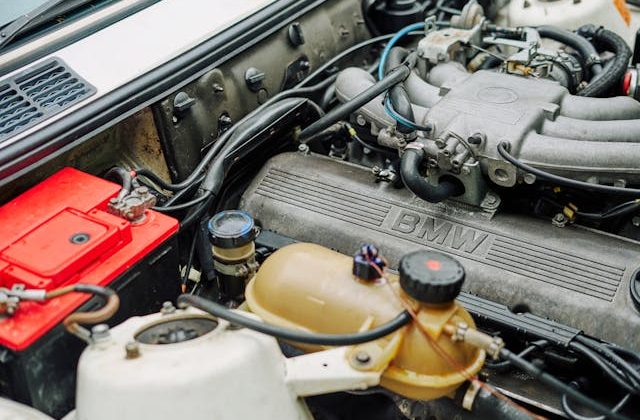
You jump in the driver’s seat, turn the key, and instead of a strong engine roar, you get a weak click. Maybe the dashboard lights flicker. Maybe there’s nothing at all. That’s the unmistakable sign of a flat car battery, and it never happens at a convenient time.
A flat battery doesn’t just appear out of nowhere. In most cases, it’s been building up for weeks or even months. Car batteries have a lifespan, and once they start weakening, the signs are there if you know what to look for.
Most drivers only think about their battery when it dies. That’s a mistake.
Why Batteries Go Flat
The most common reason for a flat car battery is age. Standard car batteries typically last between three to five years. After that, internal components degrade, and the battery struggles to hold charge.
Short trips are another silent killer. Every time you start your engine, it uses a large burst of power. If you’re only driving five or ten minutes, the alternator doesn’t get enough time to recharge the battery fully. Repeat that routine daily, and eventually you’ll end up with a flat battery.
Leaving lights on overnight, running dash cams constantly, or keeping chargers plugged in can also drain power. Even modern security systems draw small amounts of electricity while the vehicle is off.
Then there’s extreme weather. Heat slowly damages battery fluid and internal plates, while cold weather simply exposes existing weakness. That’s why winter mornings often reveal a flat car battery that was already on its last legs.
Warning Signs You Shouldn’t Ignore
A battery rarely fails without warning. Look out for:
- Slow engine cranking
- Dim headlights
- Electrical glitches
- Dashboard battery warning light
- Clicking sound when turning the key
If you notice these, don’t wait. Testing your battery early can save you from being stranded later.
Jump-Starting: Temporary Fix, Not a Solution
A jump-start can get you moving again. But if your battery keeps going flat, that’s a red flag. Jump-starting repeatedly stresses the battery further.
If your battery is ageing or damaged, replacement is usually the smarter move. Searching for batteries for cars near me might feel like a hassle, but it beats calling a tow truck.
Preventing Another Flat Battery
Stay ahead of the problem:
- Drive longer distances occasionally
- Turn off all accessories before exiting
- Get your battery tested annually
- Replace it proactively after three to four years
A flat car battery is frustrating, but it’s rarely unpredictable. Pay attention to the signs, maintain your vehicle properly, and you’ll avoid the inconvenience of being stuck when you least expect it.
Under the Bonnet: Straight Answers About Battery Problems
How long should a car battery last?
Around 3–5 years depending on driving habits and climate.
Can a flat battery recharge on its own?
Only if it’s not damaged. Older batteries often won’t recover fully.
Is a flat battery always caused by age?
No. It can also be caused by electrical drain or charging issues.
How do I know if it’s the alternator instead?
If the car dies while driving, the alternator may be at fault.
Should I replace it after one flat incident?
Not always, but repeated failures mean it’s time.